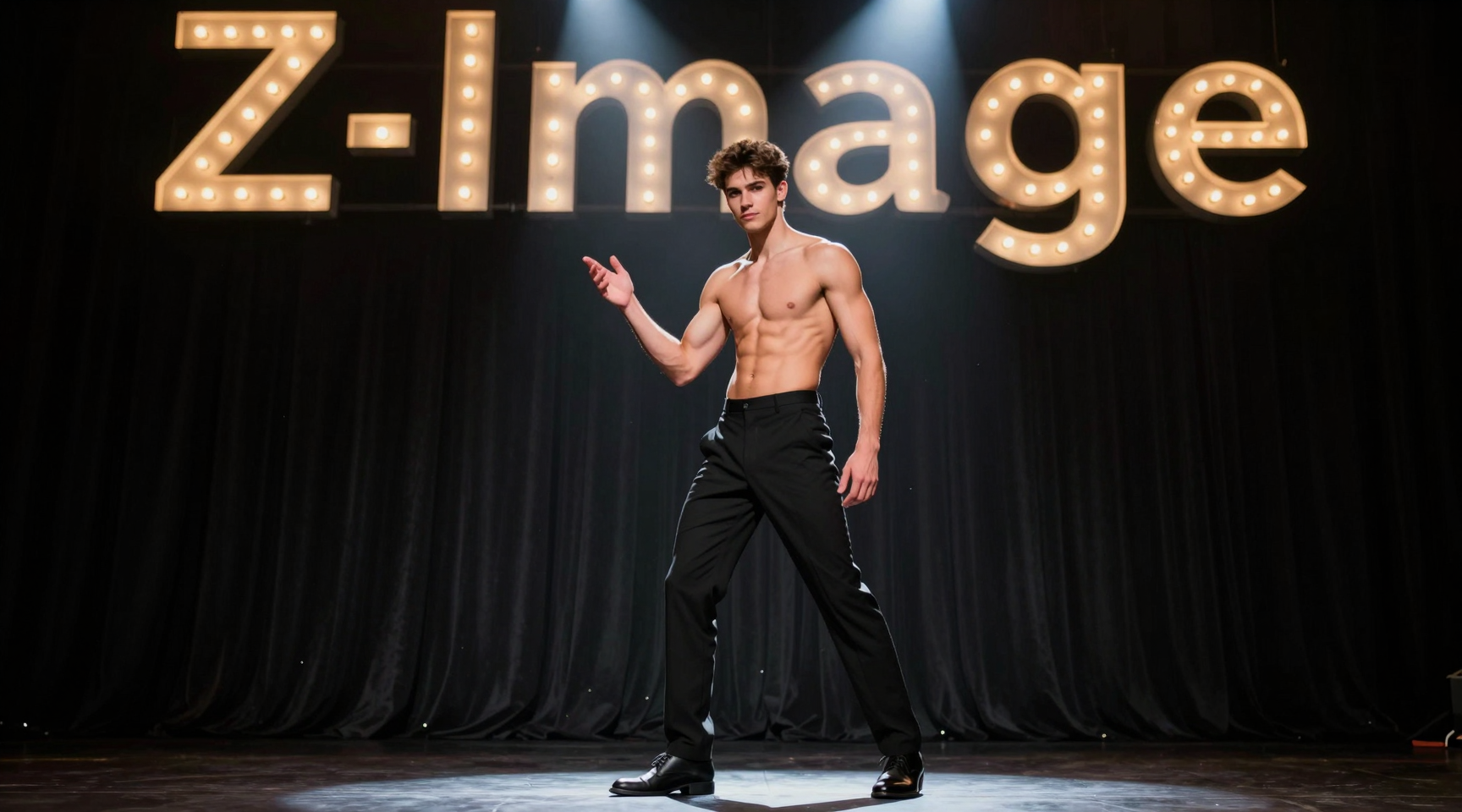
Z-image reshapes the scene of AI art by making professional-quality image generation available to everyone. This powerful tool produces photorealistic images that rival innovators, despite using just 6 billion parameters—nowhere near Stable Diffusion XL’s 20B+ 4. The system runs smoothly on consumer GPUs with less than 16GB VRAM, which makes it impressive 4 15.
The market has seen many gen z image creation tools that emerged lately, but only a few match this quality level on basic hardware. Z-Image creates print-quality photos with just 8 sampling steps 16, and Z-Image-Turbo processes images in under a second on enterprise GPUs 4. This breakthrough gives more artists and developers the chance to merge z-image photo capabilities into their processes without special equipment. Small studios and indie creators can now use professional AI art generation since it runs on consumer-grade graphics cards like the 3060 6G 16.
Z-Image delivers high-quality art on consumer GPUs
Alibaba’s Tongyi Lab has made a breakthrough with Z-Image. Their new model delivers professional-quality output with a lean architecture. This innovative approach challenges what we thought was needed for AI image generation.
How 6B parameters rival 20B+ models
Z-Image proves that smaller can pack more punch. This 6-billion parameter model matches the visual quality of commercial models that use about 20 billion parameters 1. The magic happens through its groundbreaking S3-DiT (Single-Stream Diffusion Transformer) architecture. Text, visual semantic tokens, and image VAE tokens come together at the sequence level 2. The model uses a single input stream that works better than old-school dual-stream approaches. You get triple the visual quality from each parameter 17.
Why 16GB VRAM is enough for pro-level output
You can run Z-Image smoothly on regular graphics cards with less than 16GB of VRAM 1. The model’s smart design and quick sampling process needs just 8 inference steps 2. The generation speeds look impressive on different hardware:
- Full 1024×1024 resolution images take only 2.3 seconds on an RTX 4090 7
- Older cards like RTX 3060 need less than 10 seconds 7
- Enterprise H800 GPUs can do it in under a second 1
The model keeps its VRAM usage steady below 16GB, even when creating complex 1024×1024 images 18.
What this means for indie developers and creators
Z-Image brings AI imaging technology to everyone. Until now, you needed expensive cloud services or high-end hardware for advanced image generation. Today, creators can run professional AI art generation on basic equipment 7.
The model comes with an Apache 2.0 open-source license and you can find it on GitHub, HuggingFace, and ModelScope 17. This makes it easy for indie developers to add powerful image generation to their apps, websites, and creative projects without spending big on hardware.
Z-Image kicks off a new chapter where everyone gets access to powerful computing 18. Its lightweight yet powerful approach lets more creators explore AI art, try new ideas, and use these tools with their existing equipment.
Z-Image-Turbo enables real-time generation with sub-second speed
Z-Image-Turbo takes performance to new heights with groundbreaking speed improvements. The model specifically targets interactive applications where speed matters most. This streamlined version keeps the base model’s quality standards while running at speeds that enable live creative work.
How 8 inference steps reduce latency
Traditional diffusion models need dozens of sampling steps, but Z-Image-Turbo delivers remarkable results with just 8 inference steps 6. A sophisticated distillation process called Decoupled-DMD (Distribution Matching Distillation) makes this possible by compressing larger models into faster ones without quality loss 2.
Results are impressive. A full 1024×1024 resolution image takes only 2.3 seconds on an RTX 4090 and under 10 seconds on older hardware like the RTX 3060 7. Enterprise-grade H800 GPUs can create images in less than a second 6 1, making Z-Image-Turbo the first truly interactive open-source image generator.
What developers can build with instant image rendering
This breakthrough speed creates possibilities for applications that seemed impossible before:
- Interactive design tools that generate variations instantly
- Live configuration interfaces for product customization
- Dynamic image generation for chatbots and assistants
- Large-scale batch processing for catalog creation at lower compute costs 8
Developers can integrate easily through the diffusers library and optimize further using techniques like Flash Attention and model compilation 9.
Examples of live applications using Z-Image
Z-Image-Turbo’s applications span many creative fields. Concept artists generate dozens of variations per minute, perfect for quick ideation in game development and film production 6. Ad teams can test multiple visual directions quickly for campaigns. UI/UX designers create interface prototypes with generated elements instantly.
The model’s controlled seed parameter helps developers create predictable variations or recreate specific outputs 8. This feature and the quick 8-step sampler make Z-Image perfect for both offline batch rendering and as a responsive component in interactive products, dashboards, and backend systems 8.
Z-Image supports accurate bilingual text rendering
Z-Image stands out from other AI image generators with its remarkable text rendering abilities. Its bilingual capabilities open new creative doors to international projects that need clean, readable text.
How it handles Chinese and English text in images
Z-Image shows exceptional accuracy in rendering complex text for both English and Chinese characters 9. The model handles typography with amazing precision. It keeps text clear and visually balanced in generated images 4. Z-Image-Turbo delivers these high-quality results faster, which makes it perfect for production work where text quality matters most 5.
The system works with many fonts and calligraphy styles in both languages. Users don’t need extra editing or post-processing work 3. This built-in bilingual support comes from careful system optimization. Text blends naturally into different visual settings.
Why this matters for global content creators
Developers and artists working in international markets will find this bilingual feature solves a common AI image generation problem 4. Creating multilingual social media content, posters, UI mockups, marketing materials, or branded content becomes easier. There’s no more trouble with jumbled characters or hard-to-read fonts 10.
Z-Image helps create content that strikes a chord with different linguistic and cultural groups. Companies can now make region-specific images while keeping text clear and readable. This feature is vital for professional use where readable text drives audience involvement 3.
Comparison with other open-source models
Many open-source models don’t deal very well with text elements, but Z-Image tackles these challenges head-on 11. To name just one example, see how it outperforms SDXL baseline models, especially in creating stable Chinese posters 11.
Z-Image’s text rendering abilities prove more reliable and production-ready than other advanced generators 3. This edge becomes valuable to developers building social media generators, tailored content platforms, or multilingual apps. These applications need spot-on text-in-image accuracy 4.
Developers integrate Z-Image into diverse workflows
Z-Image’s open-source nature creates amazing opportunities for developers to integrate innovative image generation into their projects with minimal technical barriers. The 6B parameter architecture makes this powerful tool available to implementation strategies of all types.
Using Z-Image in app development and automation
Developers now use Z-Image for diverse applications, from embedding high-quality generation into creative tools to automating repetitive image tasks. The model shines in app development scenarios that need fast iteration cycles and live visual feedback. Marketing teams use it to prototype campaign concepts quickly while game developers generate assets during early production phases 4. This efficiency makes it perfect for creating product mockups at scale or building interactive design interfaces 10.
Deploying via HuggingFace, GitHub, and ModelScope
Z-Image’s cross-platform availability offers numerous integration options. Developers can start with GitHub installation using [pip install git+https://github.com/huggingface/diffusers](https://github.com/Tongyi-MAI/Z-Image) 2. ComfyUI provides visual workflow creation through a template-based approach 12. HuggingFace supports uninterrupted integration with the Transformers library for Python projects 4. ModelScope delivers pre-configured implementations for quick cloud service integration 4.
How to fine-tune or contribute to the open-source project
The team released Z-Image-Base to encourage community customization 13. GitHub pull requests help expand platform support, as shown by successful diffusers repository integration 2. Fine-tuning guidelines help adapt specialized use cases without enterprise resources.
Use cases from the DEV community
Creative professionals optimize their workflows by integrating Z-Image-Turbo for live concept iteration. Digital Ocean developers implemented Z-Image through ComfyUI for versatile image generation tasks successfully 14. Marketing teams create bilingual content without post-processing text overlays 10. Offline functionality possibilities emerge where data privacy remains crucial 4.
Conclusion
Z-Image marks a breakthrough in AI art creation that changes how people access professional-quality image generation tools. High-end AI art used to require expensive hardware or cloud subscriptions. Artists and developers can now produce stunning visuals on their existing equipment with just 6 billion parameters and modest GPU requirements. This availability brings creative technology to everyone.
The speed boost from Z-Image-Turbo brings us closer to interactive AI art creation. Print-quality results appear in seconds with eight sampling steps. What once needed patience has become an immediate creative dialog. This rapid processing enables ground applications that seemed impossible with open-source models.
Z-Image’s bilingual text rendering capabilities solve a common challenge for global content creators. The system produces clear, readable text in both English and Chinese. This feature opens new possibilities for international projects without quality loss or extra processing work.
The open-source nature of Z-Image lets developers combine these features into workflows of all sizes. Independent creators and small studios can now access these tools through GitHub, HuggingFace, or ModelScope with minimal barriers.
Z-Image represents the next phase of AI art tools. Quality no longer requires massive resources. Speed supports true creative flow. More voices can join in AI-assisted creation. This mix of efficiency and quality will shape how artists blend AI into their work, making creative expression more dynamic and available to all.
References
[1] – https://z-image.ai/
[2] – https://github.com/Tongyi-MAI/Z-Image
[3] – https://z-image.pro/
[4] – https://dev.to/sophialuma/z-image-alibabas-6b-parameter-open-source-model-revolutionizes-efficient-image-generation-5m3
[5] – https://replicate.com/prunaai/z-image-turbo
[6] – https://z-image.app/
[7] – https://zimage.design/
[8] – https://wavespeed.ai/models/wavespeed-ai/z-image/turbo
[9] – https://huggingface.co/Tongyi-MAI/Z-Image-Turbo
[10] – https://www.segmind.com/models/z-image-turbo
[11] – https://www.aibase.com/news/www.aibase.com/news/23158
[12] – https://comfyanonymous.github.io/ComfyUI_examples/z_image/
[13] – https://huggingface.co/drbaph/Z-Image-Turbo-FP8
[14] – https://www.digitalocean.com/community/tutorials/z-image-turbo
[15] – https://tongyi-mai.github.io/Z-Image-blog/
[16] – https://www.aibase.com/news/www.aibase.com/news/23161
[17] – https://news.aibase.com/news/23158
[18] – https://news.aibase.com/news/23161